Goykanadi
Goykanadi
Goykanadi
Type Design
Type Design
Type Design
2025
2025
2025
5 Weeks
5 Weeks
5 Weeks
Reviving the lost Goykanadi script once spoken across Maharashtra’s western coast.
Reviving the lost Goykanadi script once spoken across Maharashtra’s western coast.
Reviving the lost Goykanadi script once spoken across Maharashtra’s western coast.
The Story
The Story
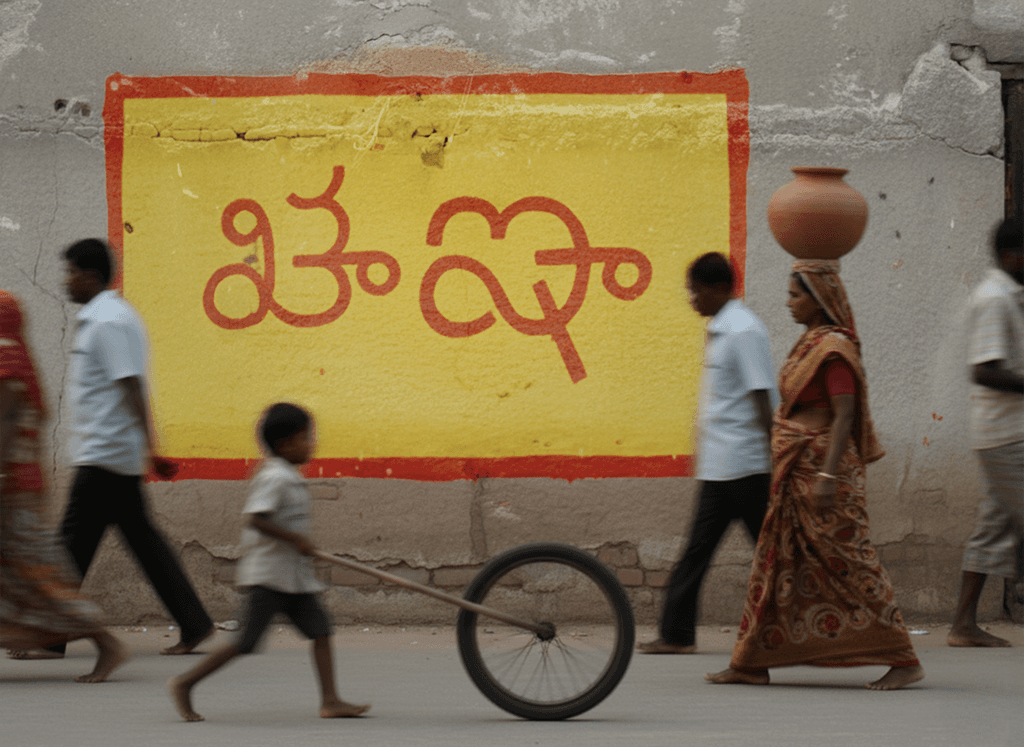
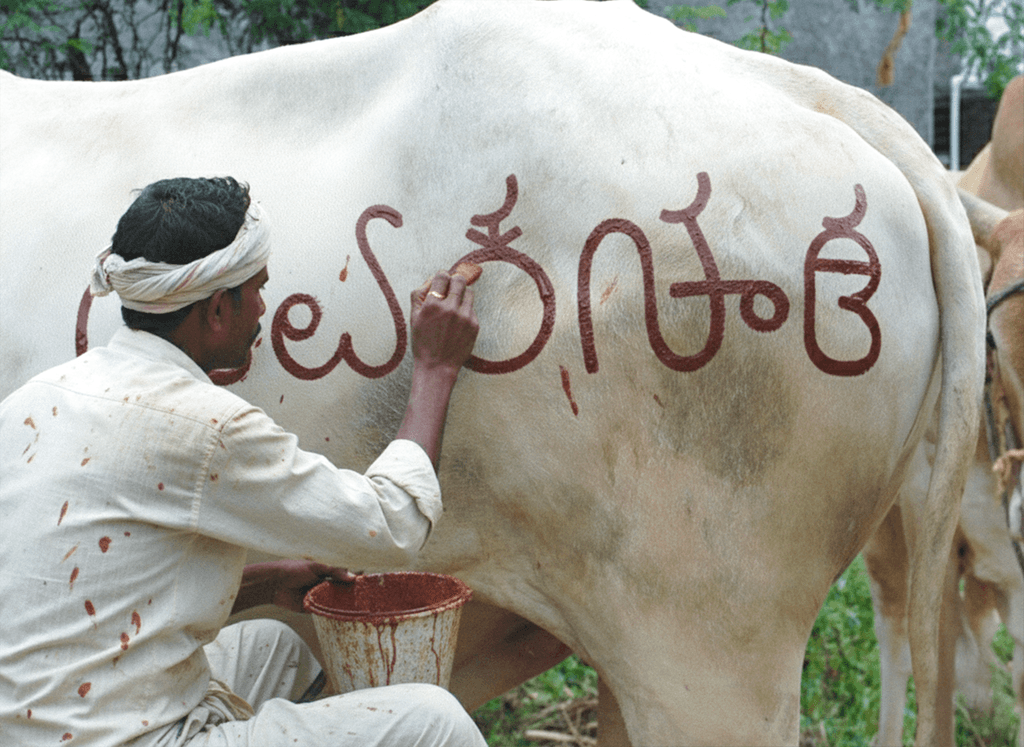
You know how people say “language is culture”? Turns out, it’s also memory and we’re losing both, quietly. UNESCO’s been warning us about it, and it’s not abstract at all. Languages are fading, one after another, right under our noses. While reading about endangered scripts, I stumbled upon Goykanadi once spoken across India’s western coast. Over time, as Marathi, Devanagari, and other scripts grew louder, Goykanadi slowly slipped out of classrooms, shops, and stories. Today, it survives in old manuscripts and in the fading memories of Bhil communities in Maharashtra.
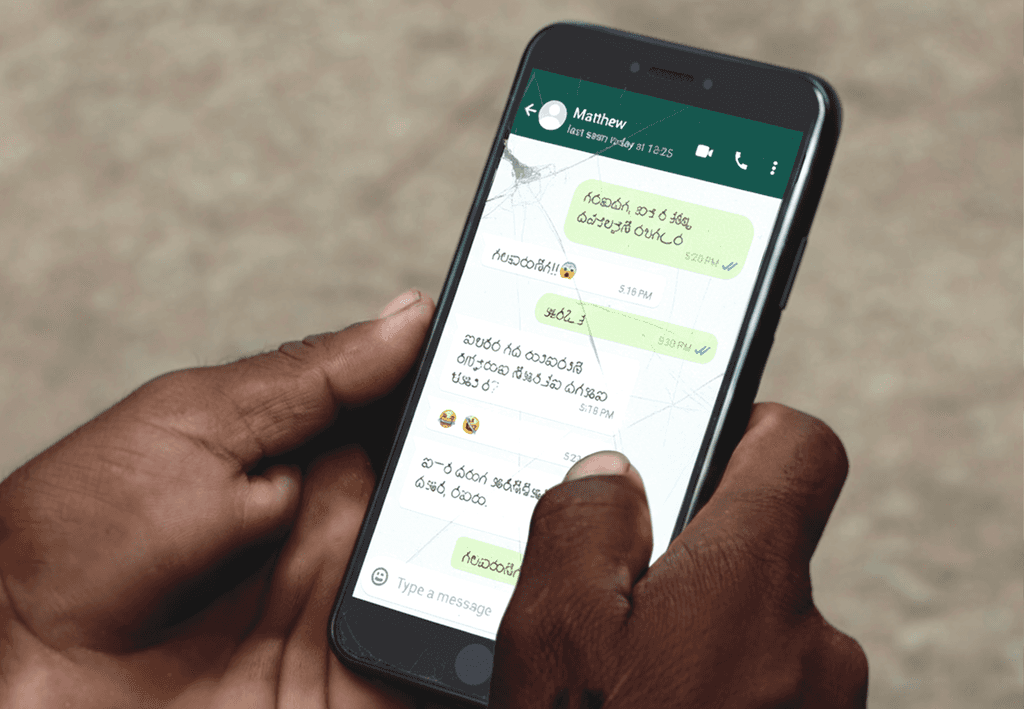
For the Bhil people, this wasn’t just a script. It was how they lived how they spoke, traded, joked, and passed down stories. Many still speak their language, but without a written form, it’s hanging by a thread. In a digital world, a language you can’t type or share is basically on mute.
You know how people say “language is culture”? Turns out, it’s also memory and we’re losing both, quietly. UNESCO’s been warning us about it, and it’s not abstract at all. Languages are fading, one after another, right under our noses. While reading about endangered scripts, I stumbled upon Goykanadi once spoken across India’s western coast. Over time, as Marathi, Devanagari, and other scripts grew louder, Goykanadi slowly slipped out of classrooms, shops, and stories. Today, it survives in old manuscripts and in the fading memories of Bhil communities in Maharashtra.
For the Bhil people, this wasn’t just a script. It was how they lived how they spoke, traded, joked, and passed down stories. Many still speak their language, but without a written form, it’s hanging by a thread. In a digital world, a language you can’t type or share is basically
on mute.
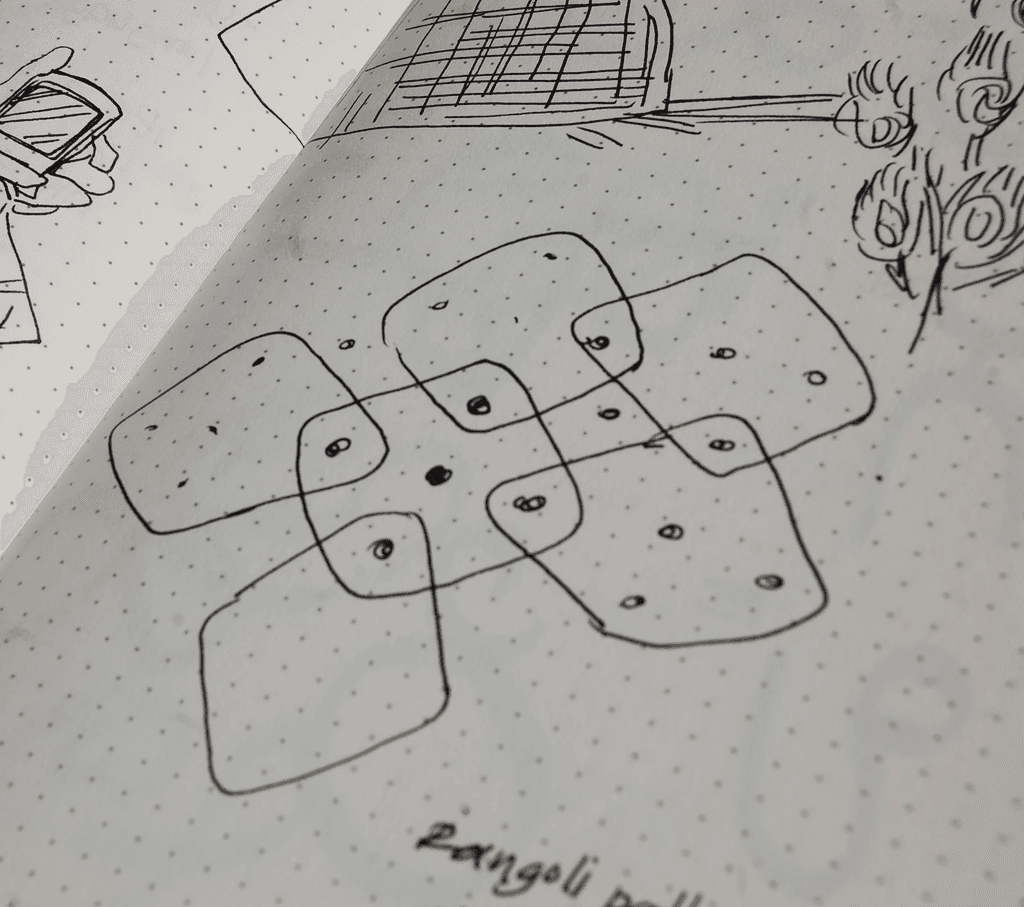
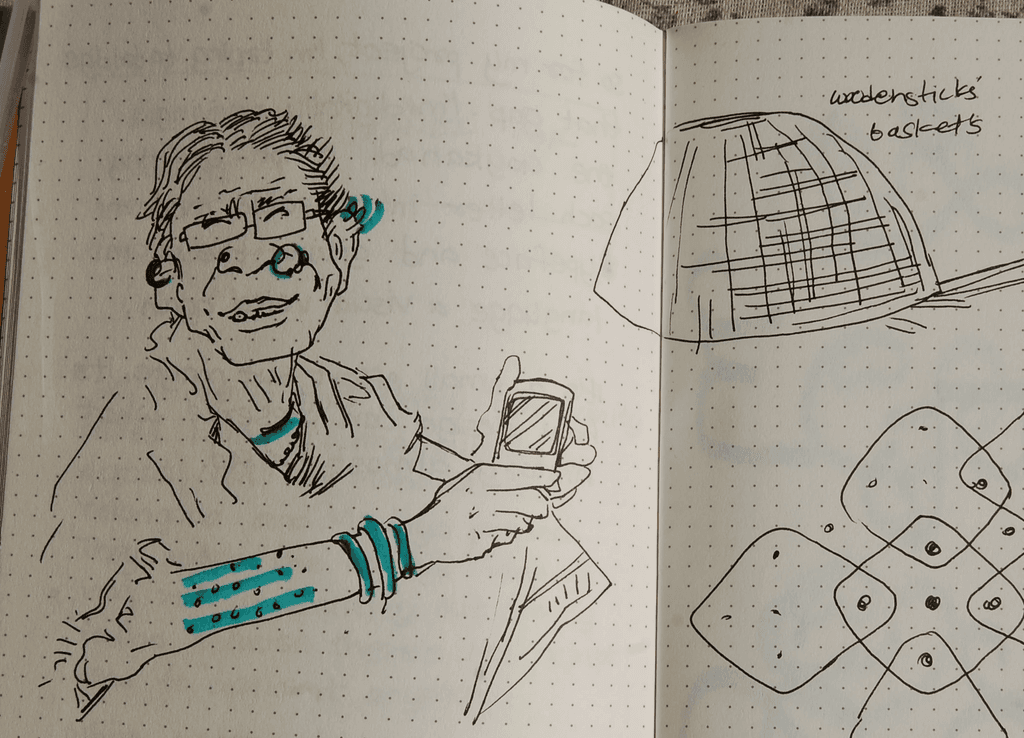
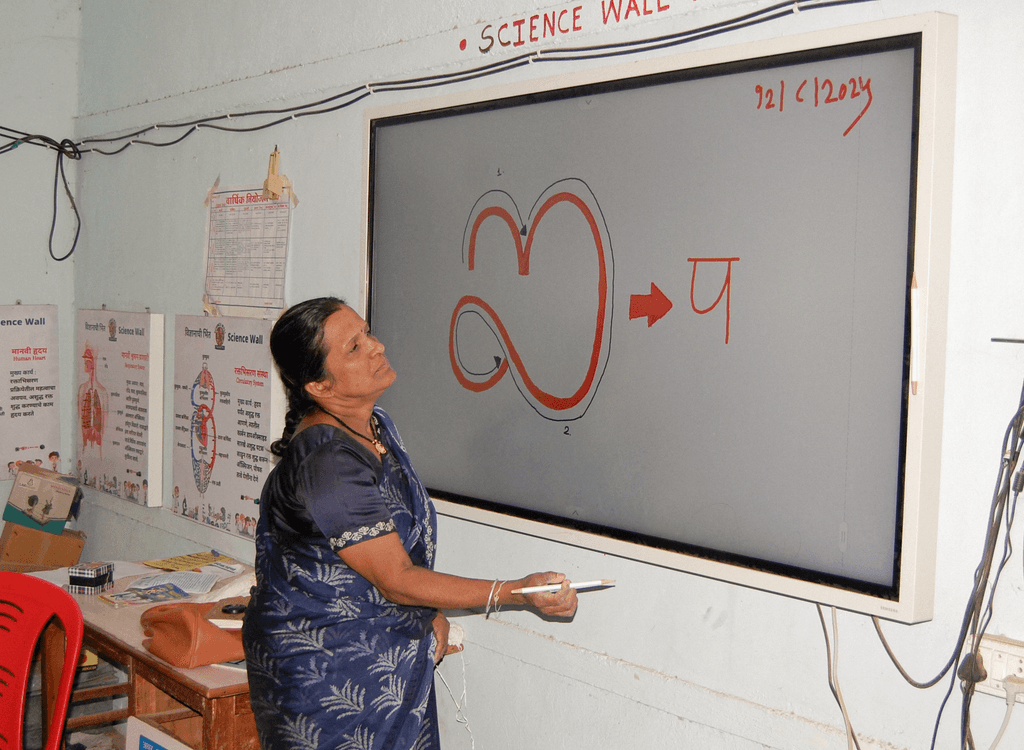
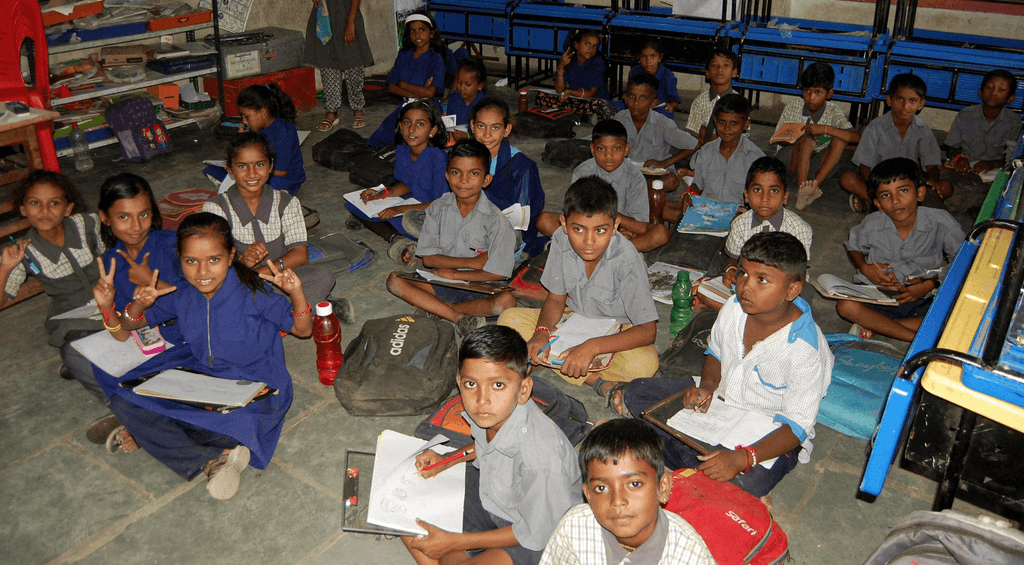
A chat with a linguistic professor from the Goa Konkani Akademi opened the first door. From there, it was a rabbit hole of research papers, tracing the curves and sounds of Goykanadi. Then came a visit to PM SHRI, Government School in Maharashtra, where teachers and locals still remembered fragments old songs, small stories, bits of words that somehow survived time.
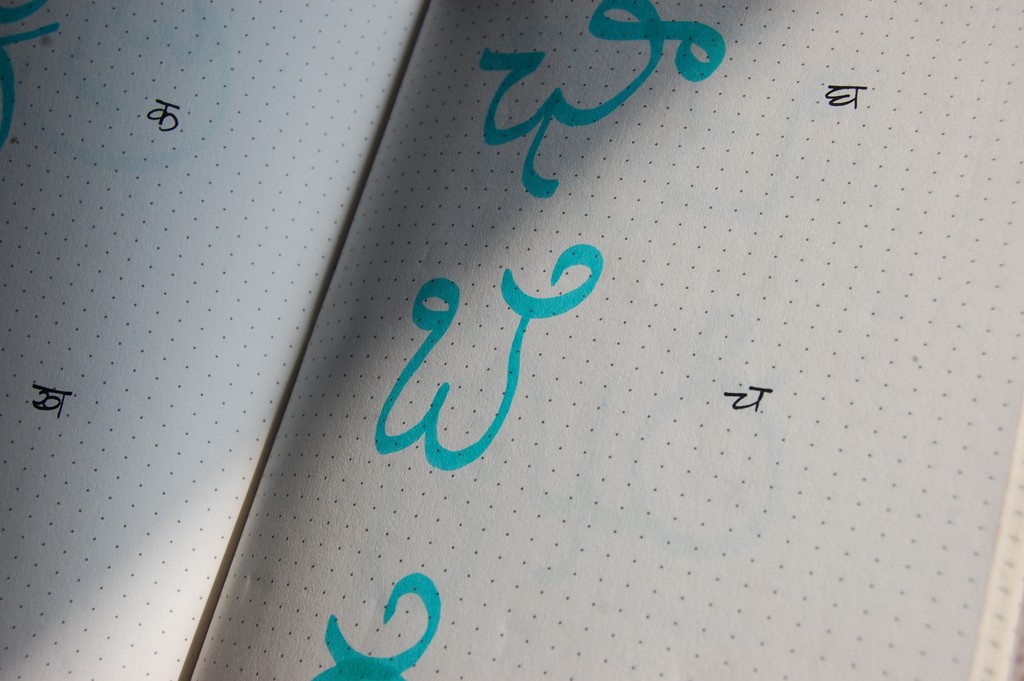
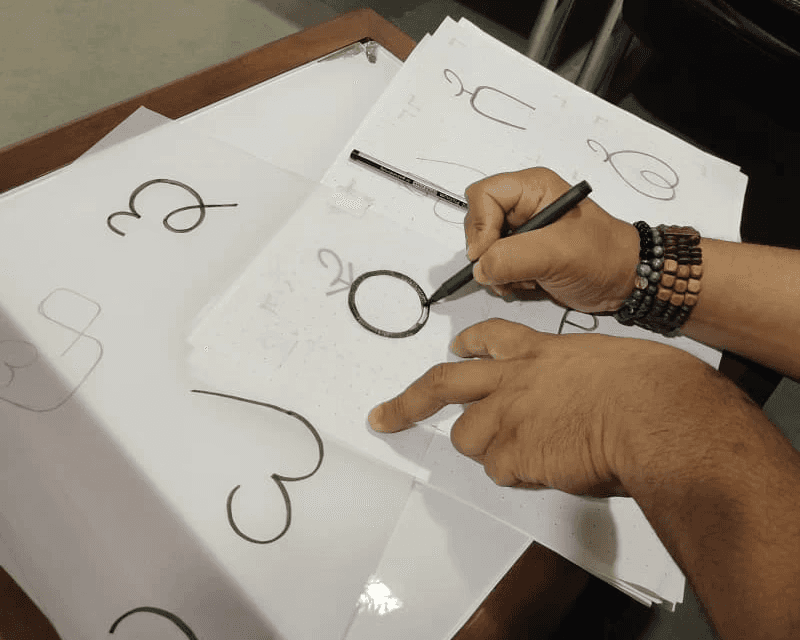
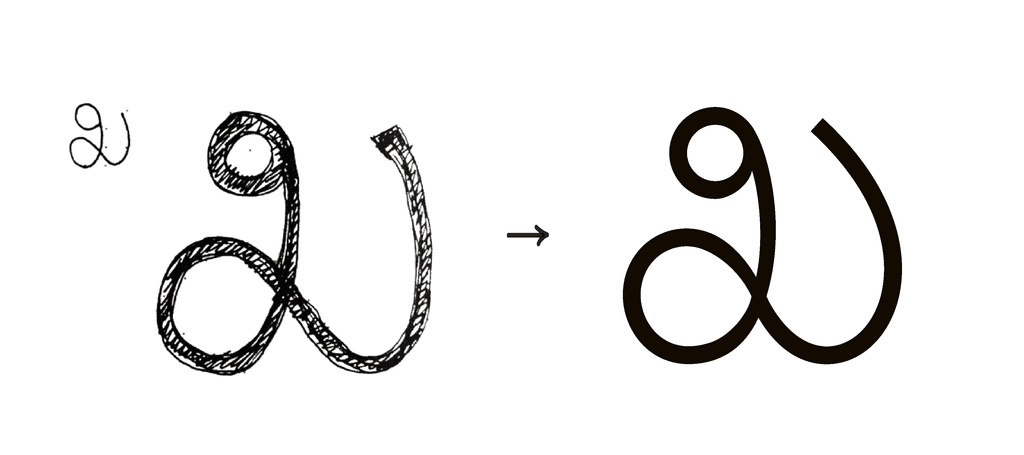
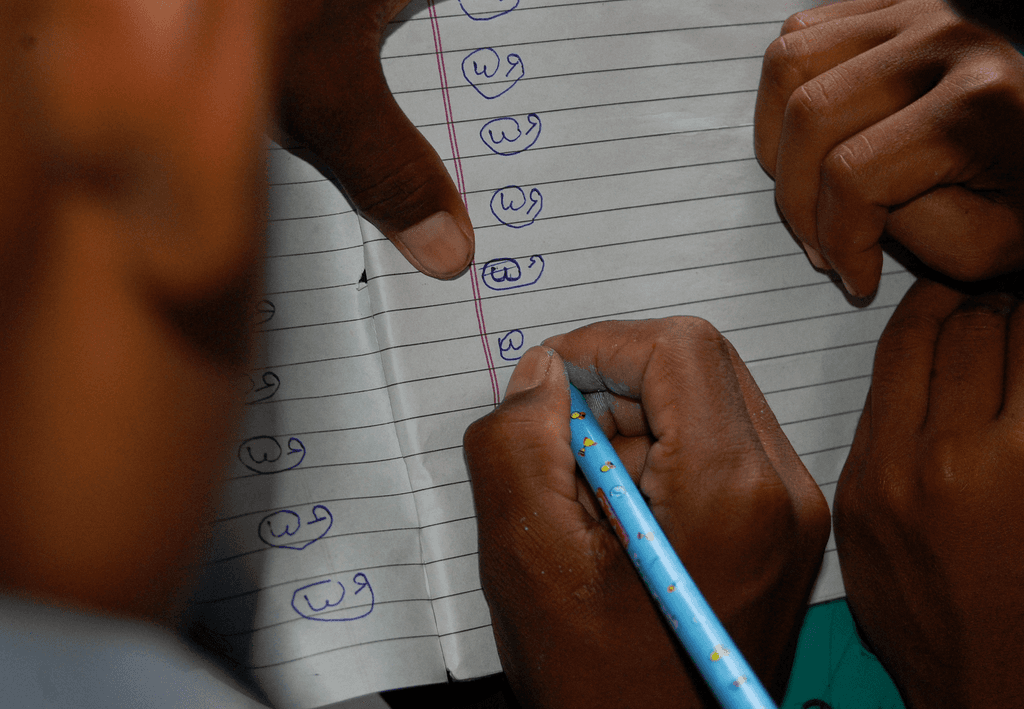
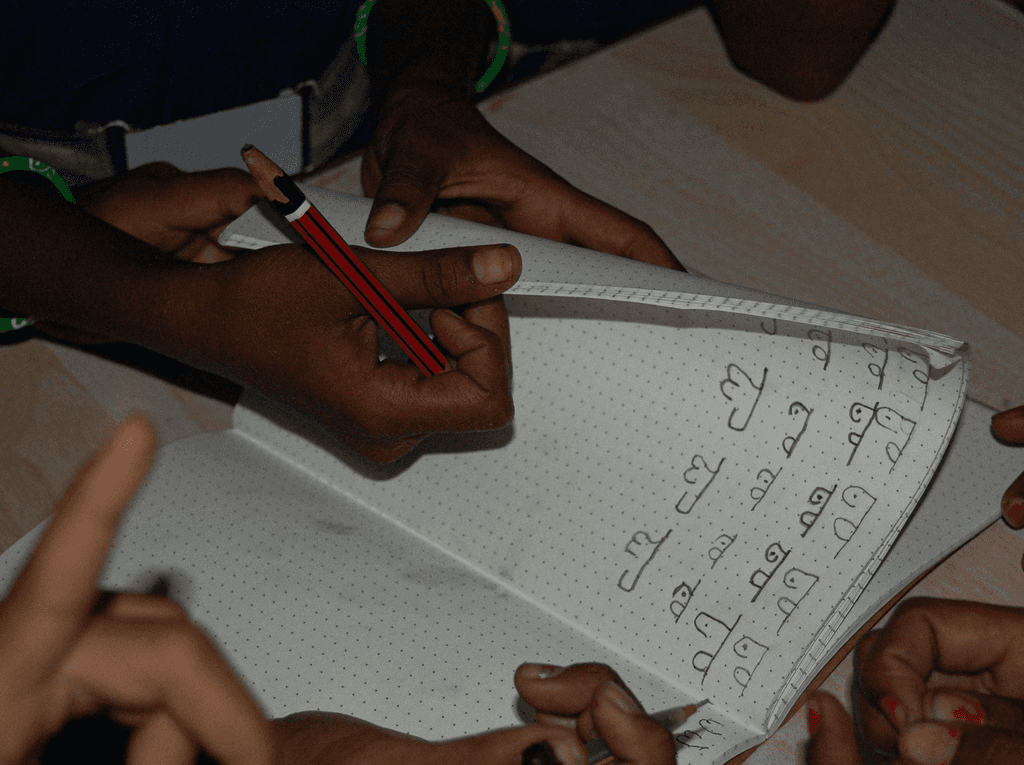
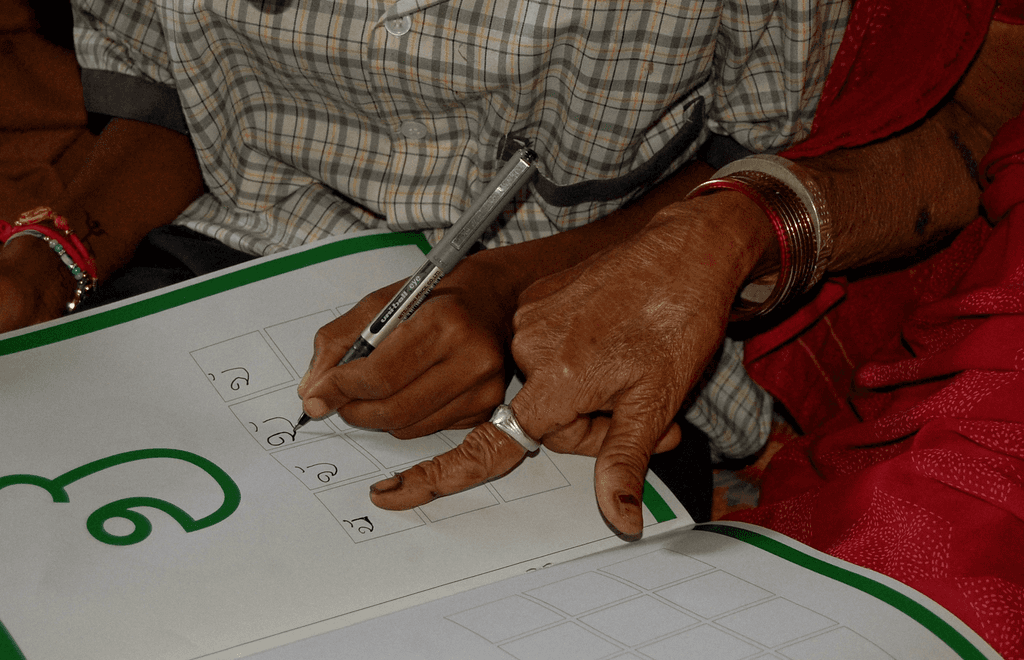
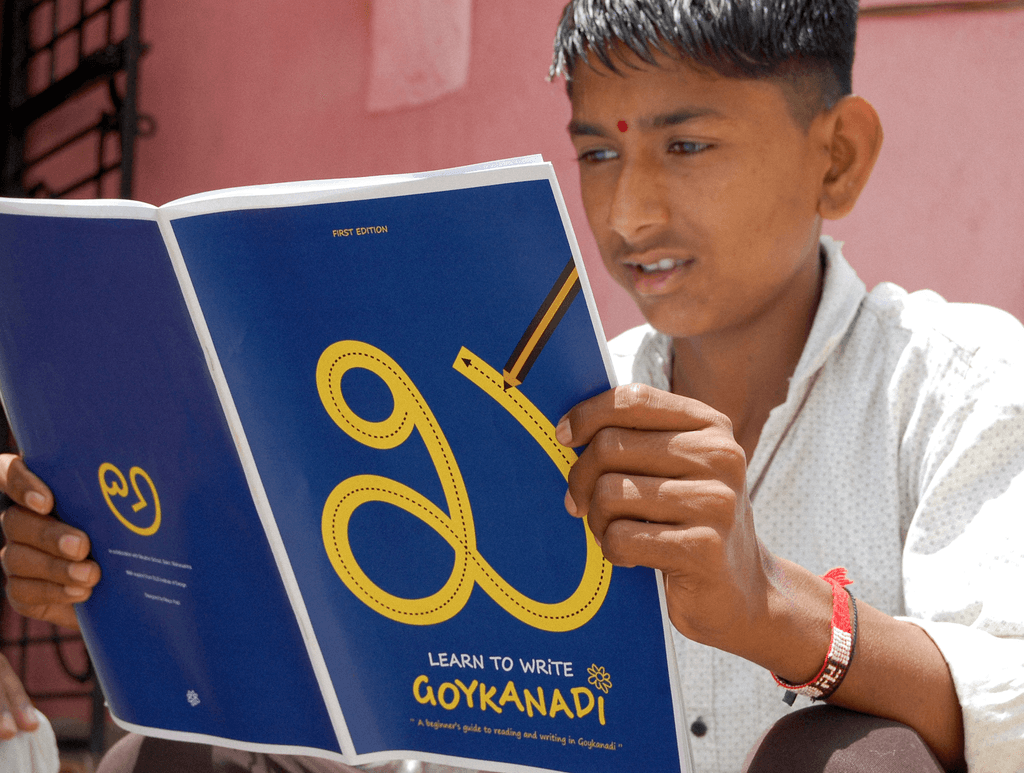
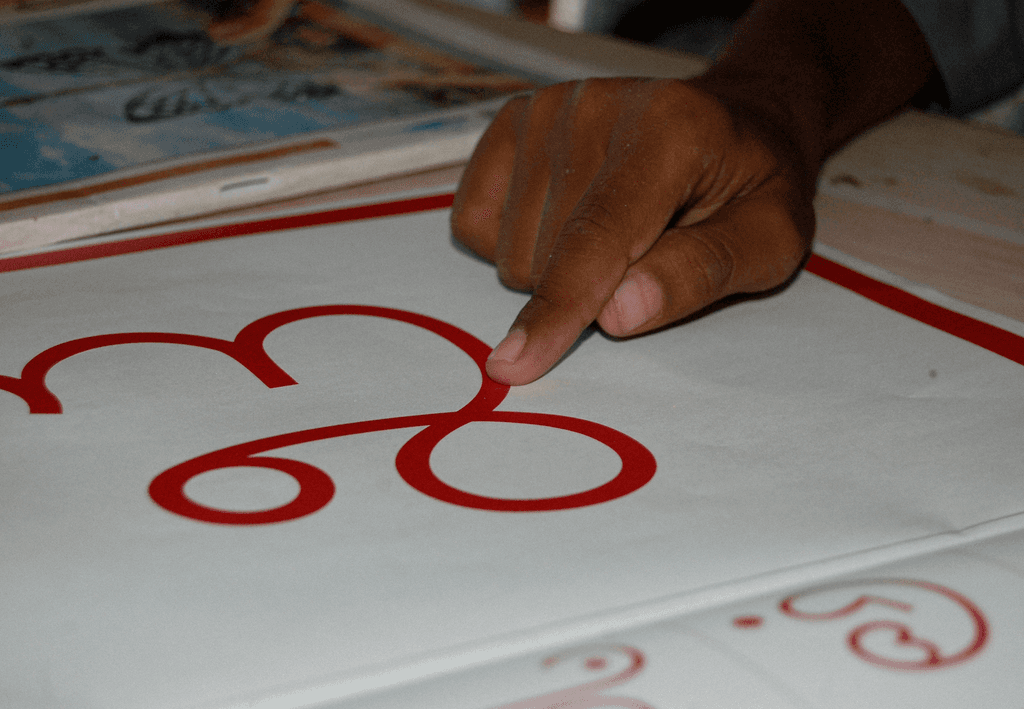
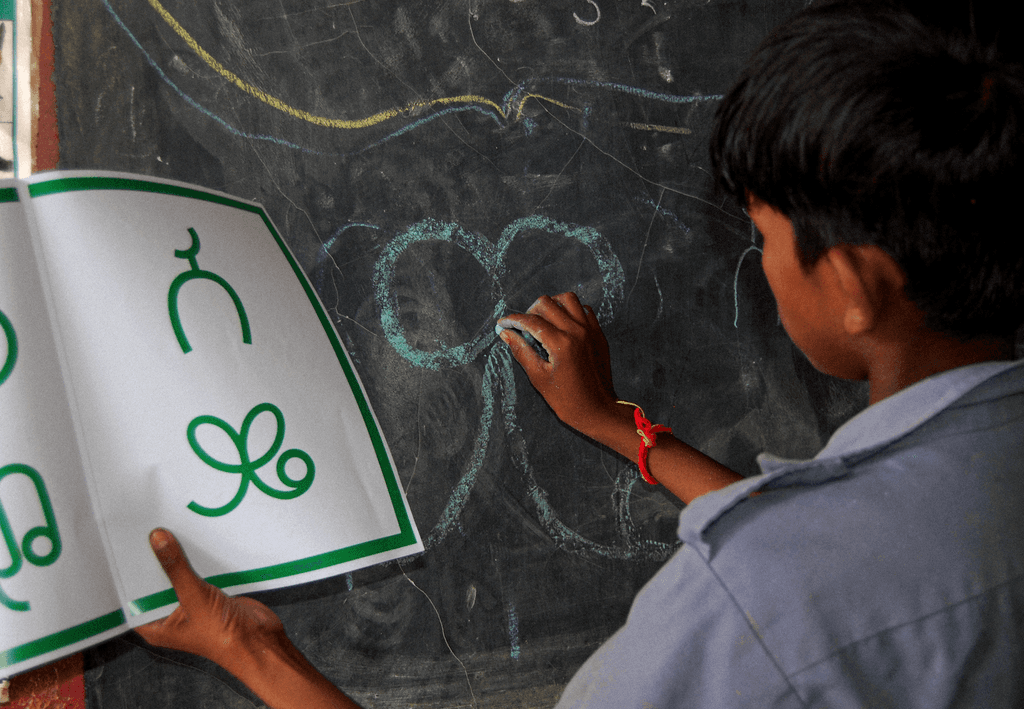
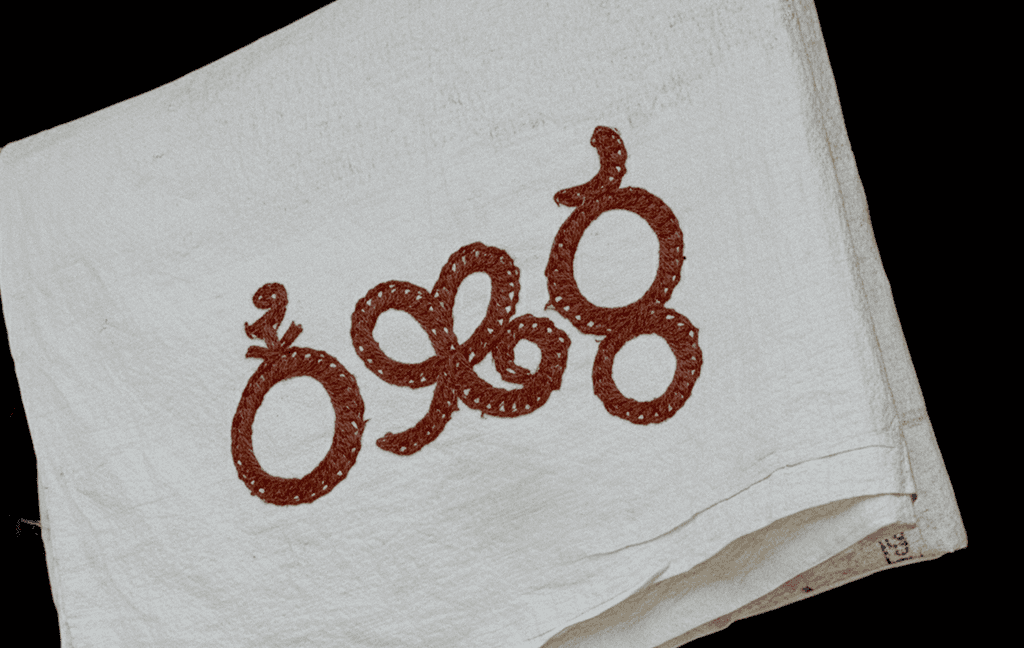
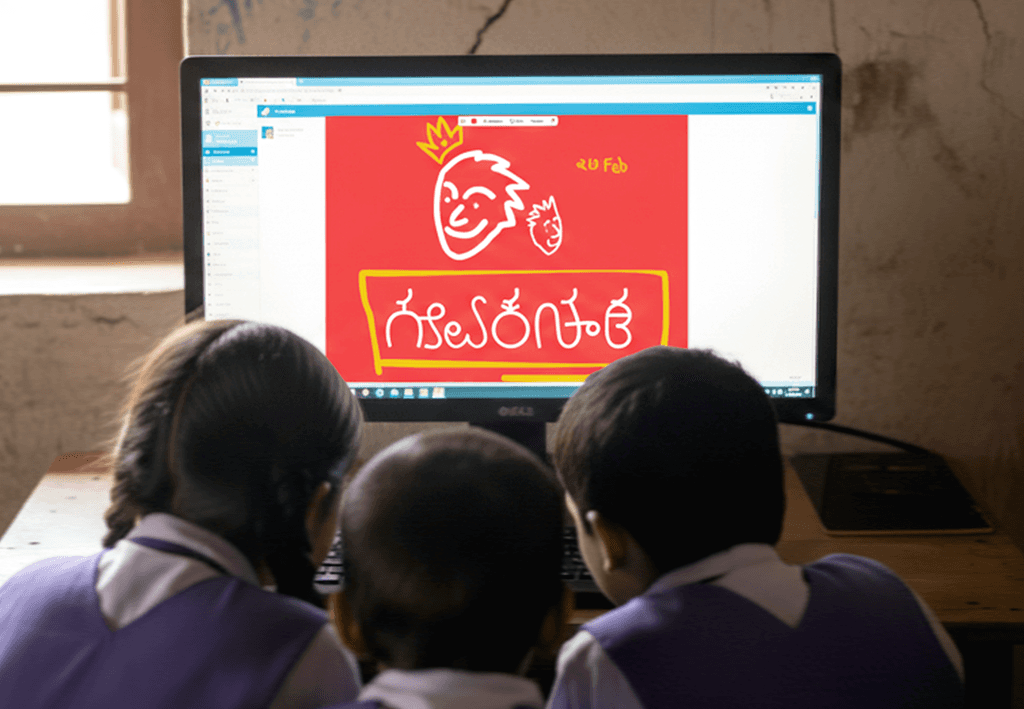
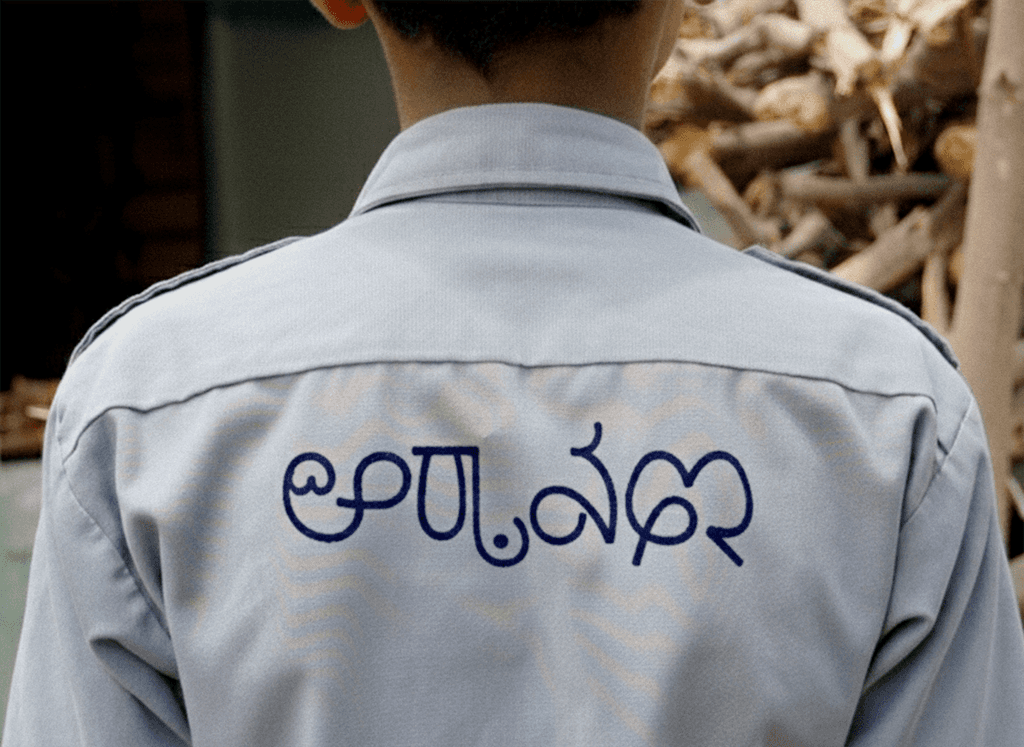
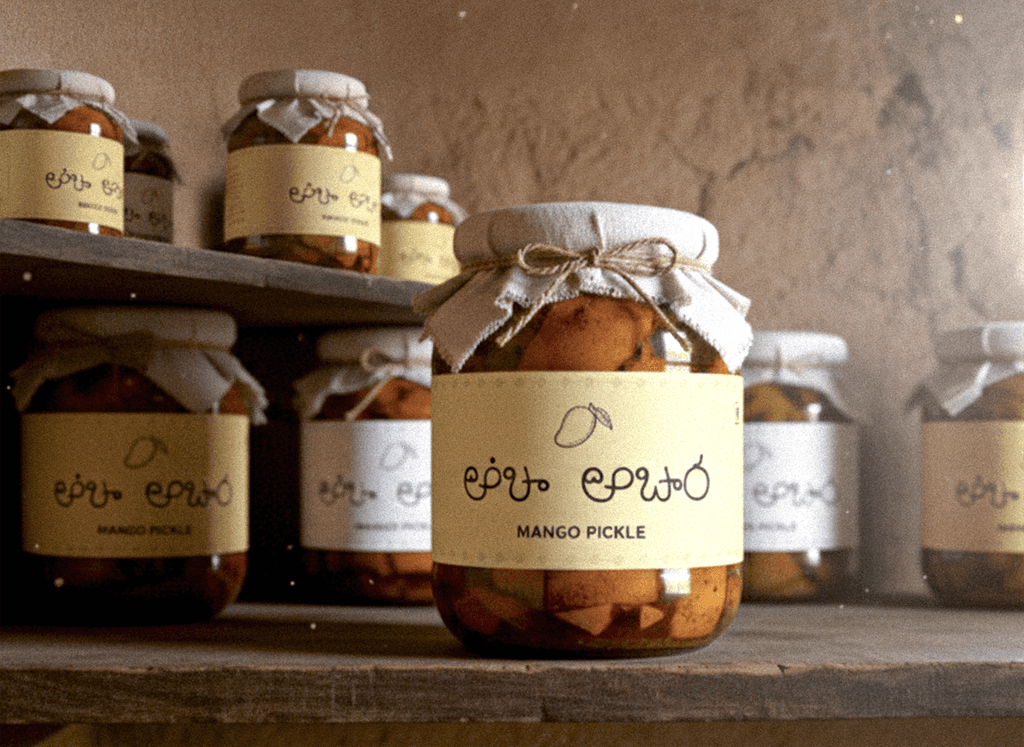
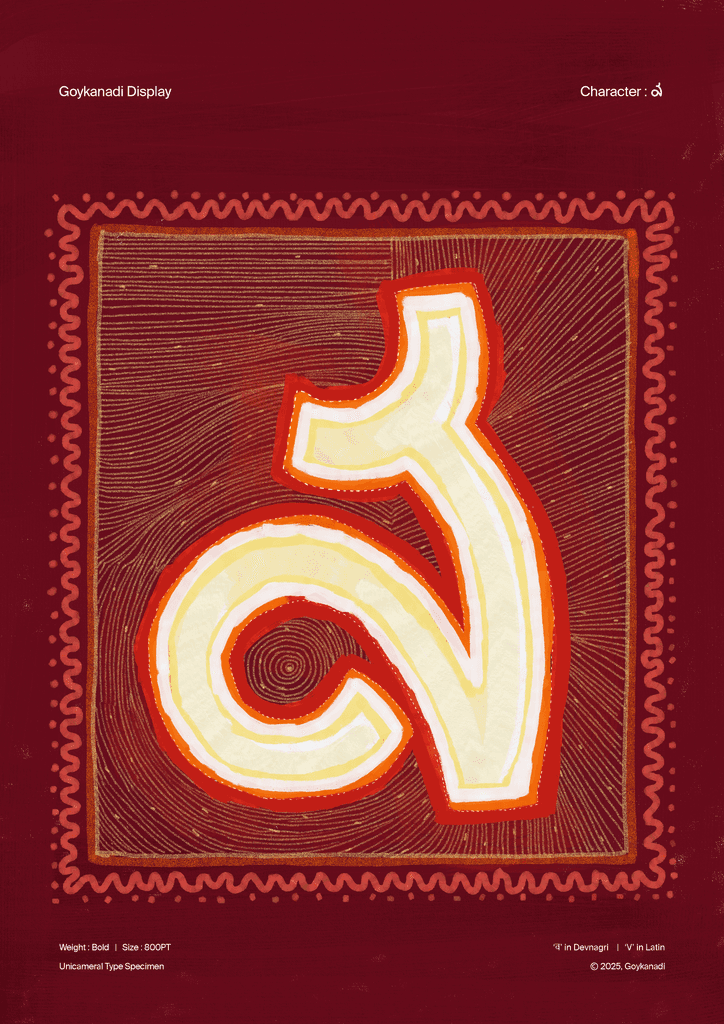
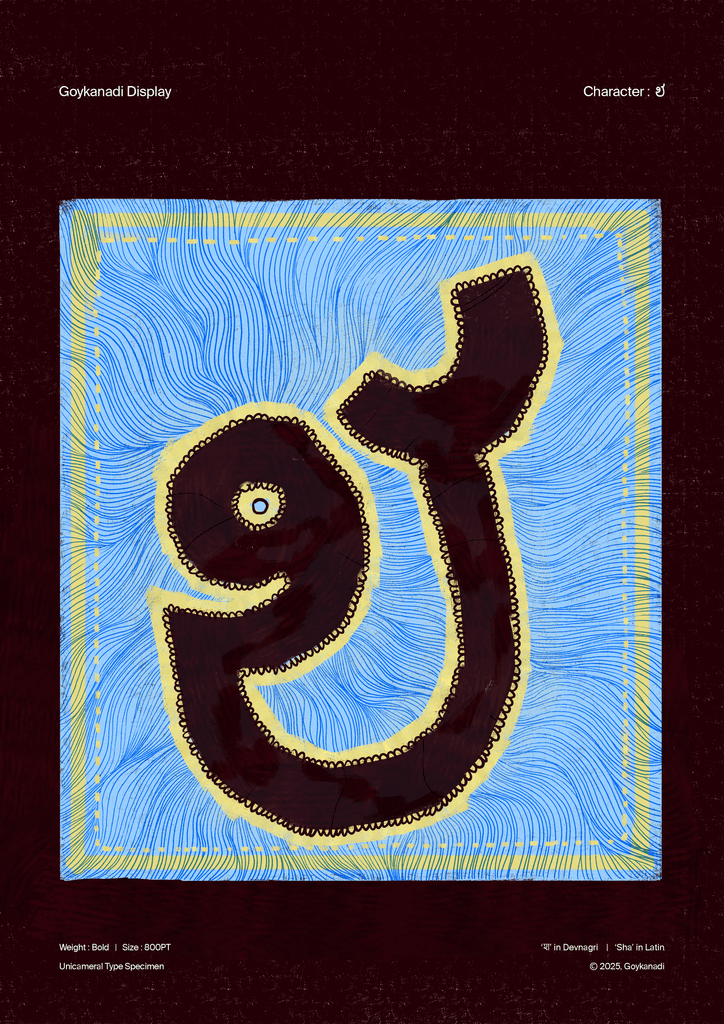
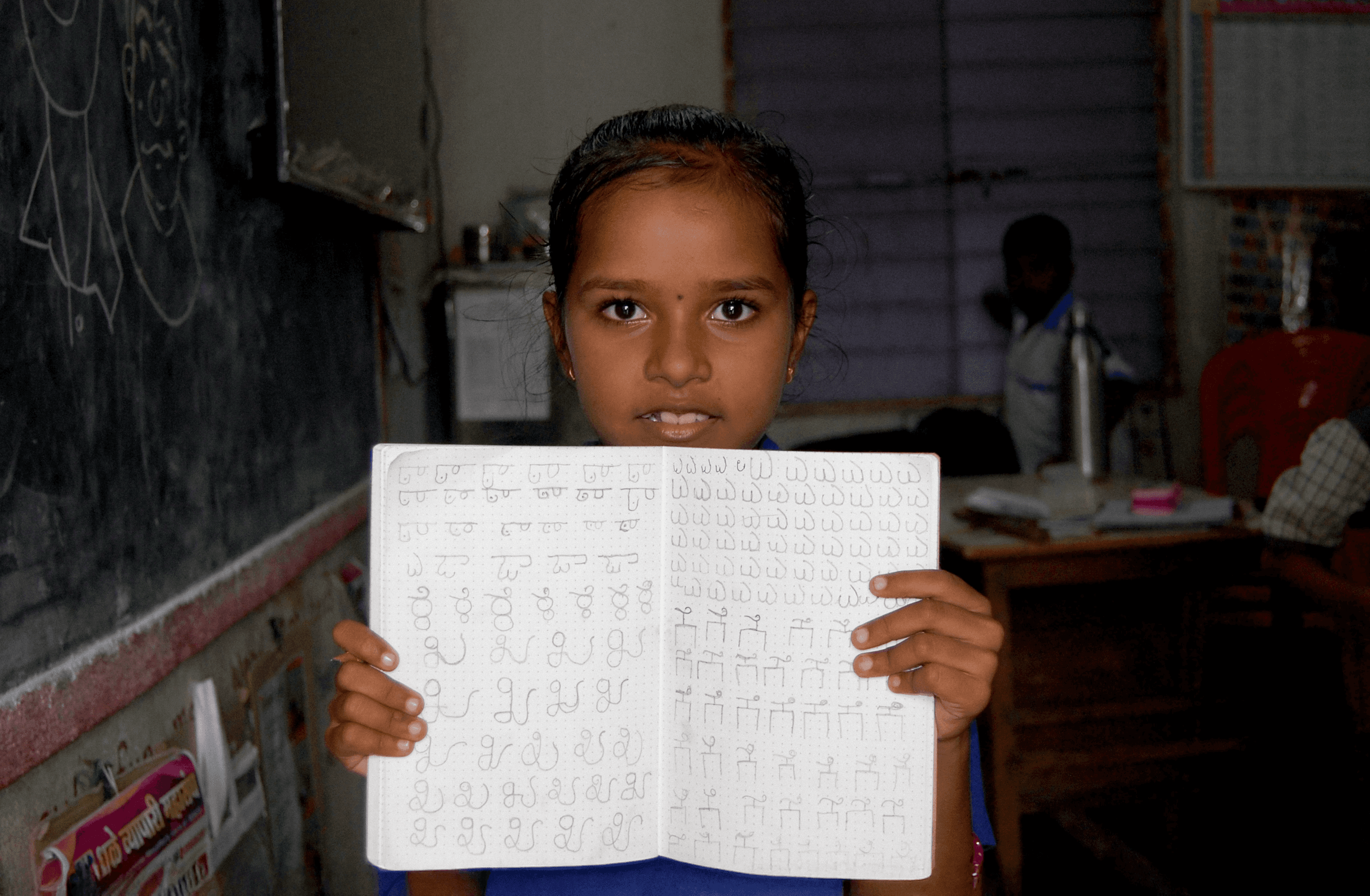
The next step was to bring those shapes back to life. The digitized alphabet drew from Bhil visual culture, tested with schoolchildren for readability. Their feedback was honest and sharp if a letter confused them, it went straight back to the sketchbook. After rounds of refinement, the script started to feel natural again something that could live, not just be remembered.
This project isn’t about romantic nostalgia or “reviving” the past. It’s about preserving a culture through a letter and keeping a culture alive through its language giving it a new voice that fits today’s world, without losing its soul.
You know how people say “language is culture”? Turns out, it’s also memory and we’re losing both, quietly. UNESCO’s been warning us about it, and it’s not abstract at all. Languages are fading, one after another, right under our noses. While reading about endangered scripts, I stumbled upon Goykanadi once spoken across India’s western coast. Over time, as Marathi, Devanagari, and other scripts grew louder, Goykanadi slowly slipped out of classrooms, shops, and stories. Today, it survives in old manuscripts and in the fading memories of Bhil communities in Maharashtra.
For the Bhil people, this wasn’t just a script. It was how they lived how they spoke, traded, joked, and passed down stories. Many still speak their language, but without a written form, it’s hanging by a thread. In a digital world, a language you can’t type or share is basically on mute.
A chat with a linguistic professor from the Goa Konkani Akademi opened the first door. From there, it was a rabbit hole of research papers, tracing the curves and sounds of Goykanadi. Then came a visit to PM SHRI, Government School in Maharashtra, where teachers and locals still remembered fragments old songs, small stories, bits of words that somehow survived time.
The next step was to bring those shapes back to life. The digitized alphabet drew from Bhil visual culture, tested with schoolchildren for readability. Their feedback was honest and sharp if a letter confused them, it went straight back to the sketchbook. After rounds of refinement, the script started to feel natural again something that could live, not just be remembered.
This project isn’t about romantic nostalgia or “reviving” the past. It’s about preserving a culture through a letter and keeping a culture alive through its language giving it a new voice that fits today’s world, without losing its soul.
A chat with a linguistic professor from the Goa Konkani Akademi opened the first door. From there, it was a rabbit hole of research papers, tracing the curves and sounds of Goykanadi. Then came a visit to PM SHRI, Government School in Maharashtra, where teachers and locals still remembered fragments old songs, small stories, bits of words that somehow survived time.
The next step was to bring those shapes back to life. The digitized alphabet drew from Bhil visual culture, tested with schoolchildren for readability. Their feedback was honest and sharp if a letter confused them, it went straight back to the sketchbook. After rounds of refinement, the script started to feel natural again something that could live, not just be remembered.
This project isn’t about romantic nostalgia or “reviving” the past. It’s about preserving a culture through a letter and keeping a culture alive through its language giving it a new voice that fits today’s world, without losing its soul.